
Gelephu
.jpg)
.jpg)
.jpg)
.jpg)
Description
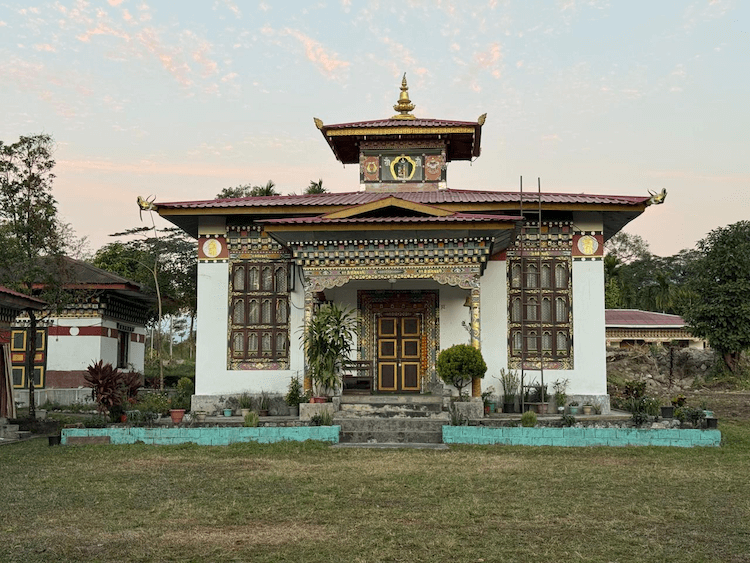
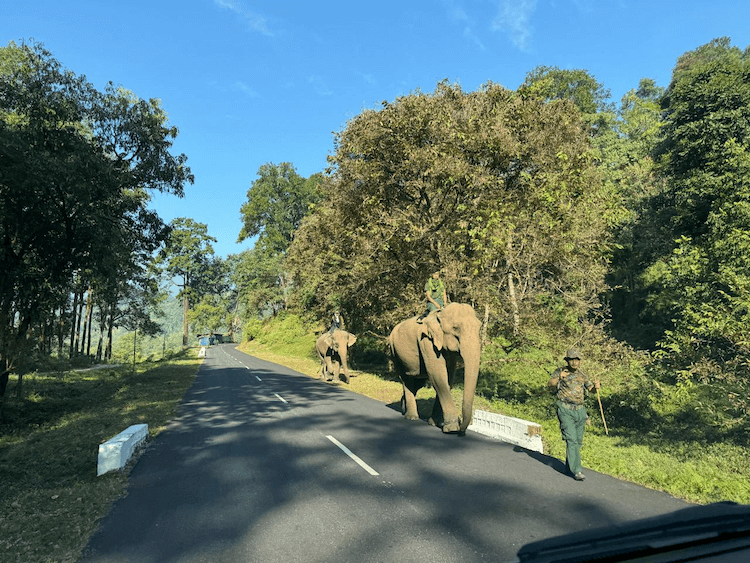
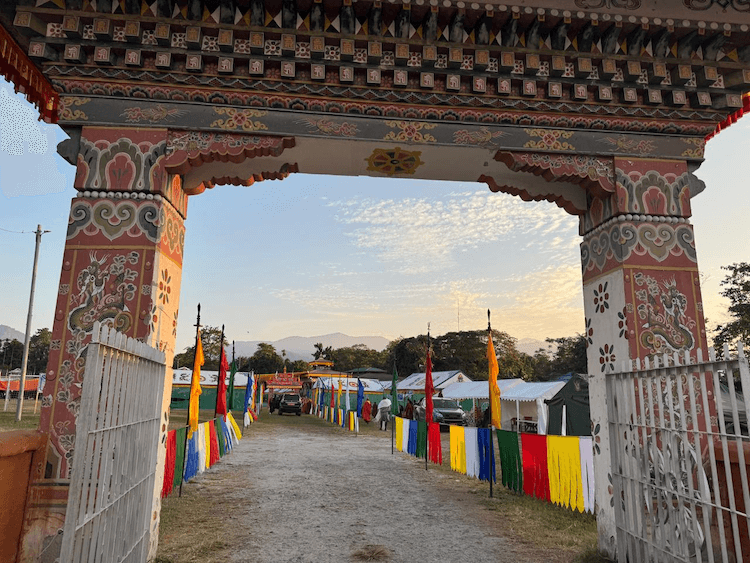
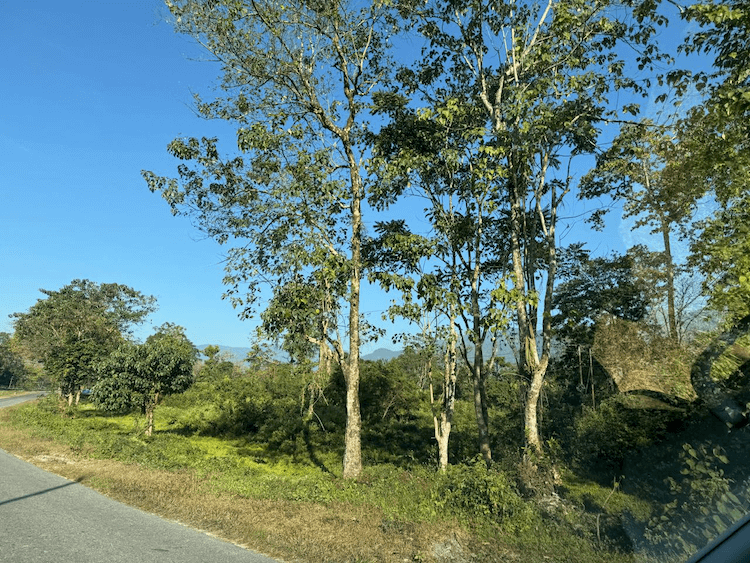
Located in south-central Bhutan within Sarpang District, Gelephu lies along the border with India’s state of Assam and enjoys a distinctive subtropical climate. Warm, dry winters and hot, wet summers, combined with fertile plains and gentle terrain, make the region ideal for agriculture. The surrounding farmlands support the cultivation of rice, maize, millet, nuts, and ginger, reflecting Gelephu’s long-standing agrarian strength. Strategically positioned on one of Bhutan’s key trade corridors, the town has grown into an important commercial and economic hub for the southern region.
Beyond its economic role, Gelephu is recognised for its cultural diversity and progressive social development. As a regional administrative centre, it hosts several government offices and institutions and is experiencing rapid urban growth, with expanding infrastructure in roads, housing, healthcare, and education. Anchoring this transformation is the visionary Gelephu Mindfulness City (GMC), a landmark national initiative conceived by His Majesty King Jigme Khesar Namgyel Wangchuck.
Established by Royal Charter in December 2024, Gelephu Mindfulness City is a zero-carbon, future-ready urban development spanning over 2,600 square kilometres—around five percent of Bhutan and three times the size of Singapore. Designated as a highly autonomous Special Administrative Region, GMC is governed with full executive, legislative, and judicial authority under the direct guidance of His Majesty. Strategically located to enhance regional connectivity between South and Southeast Asia, GMC represents a bold global vision: an oasis of mindfulness and prosperity that harmoniously blends Bhutanese spiritual values, sustainability, innovation, and economic vitality. Through the principle of “One Country, Two Systems,” GMC is set to become a catalyst for administrative reform and a new model of balanced development for Bhutan and the world.
| Popular Places |
|
Location Map
Places of interest in and around Gelephu
-
1Shivalaya Hindu Mandir
Also called Shivalaya Yagyaswar Mahadev Mandir, it is the vibrant Hindu spiritual centre of Gelephu. Built in 2018 by royal command as a faithful replica of the Samtse Shivalaya Temple, this beautiful sanctuary is dedicated to Lord Shiva and stands as a symbol of Bhutan’s rich cultural diversity and religious harmony.
Located in the heart of Gelephu, the Shivalaya Mandir is more than a place of worship — it is a beloved gathering place for the local Hindu community and visitors alike. Throughout the year, especially during sacred occasions such as Maha Shivaratri and the devotional Bolbam festival, devotees come together to offer prayers, participate in rituals, and celebrate with joyful devotion.
The temple stands as a testament to Bhutan’s spirit of religious inclusion, where Hindu traditions thrive alongside other faiths. As Gelephu grows into a mindfulness city, the Shivalaya Mandir continues to enrich the town’s spiritual landscape and foster peace, unity, and cultural pride for all who visit.
-
2Tali Dratshang
Perched on a forested mountainside, Tali Dratshang—also known as Kuenzang Chokorling—overlooks the picturesque Tali valley and surrounding countryside. Founded in 1962 by the revered scholar Geshe Pema Thinley, the monastery evolved from a modest temple into an important centre of Buddhist learning and practice. Blessed and guided over the years by eminent masters such as Ponlop Khen Rinpoche, Dilgo Khyentse Rinpoche, and the Je Khenpo, it was formally consecrated in 1974 and later upgraded to a Shedra (monastic college) in 2010. Today, it houses resident monks under the spiritual oversight of the Je Khenpo and continues to serve as a vital religious institution for the region.
Architecturally, Tali Dratshang is a striking three-storey Zangtopelri, symbolising Guru Rinpoche’s celestial paradise. Each level represents a different spiritual realm and is richly adorned with sacred murals, mandalas, and finely crafted statues. The highlight is the magnificent eleven-faced Avalokiteshvara (Chenrezig) statue that rises through all three floors, creating a powerful sense of devotion and awe. Regular rituals, festivals, and auspicious-day ceremonies—supported by both the community and the state—make the monastery a living centre of spiritual life, offering visitors a rare glimpse into Bhutan’s deep-rooted religious traditions and serene monastic culture.
-
3Gelephu Tsachu (Hot Spring)
Nestled at the confluence of two rivers descending from the Black Mountain and the Tamala Range, the Swiss-styled mini-palace of Gelephu Tsachu evokes a quiet sense of bygone grandeur. Here, the rivers merge before flowing across the vast Gelephu plains as the Mao Chhu, creating a serene and picturesque setting.
Characterised by distinctive Swiss architectural elements such as sloping roofs and elegant wooden detailing, the palace was inaugurated by the Third Druk Gyalpo of Bhutan on 16 January 1968. Simple yet captivating, this historic retreat has graciously hosted Bhutanese royalty and revered spiritual leaders, adding to its timeless charm and cultural significance.